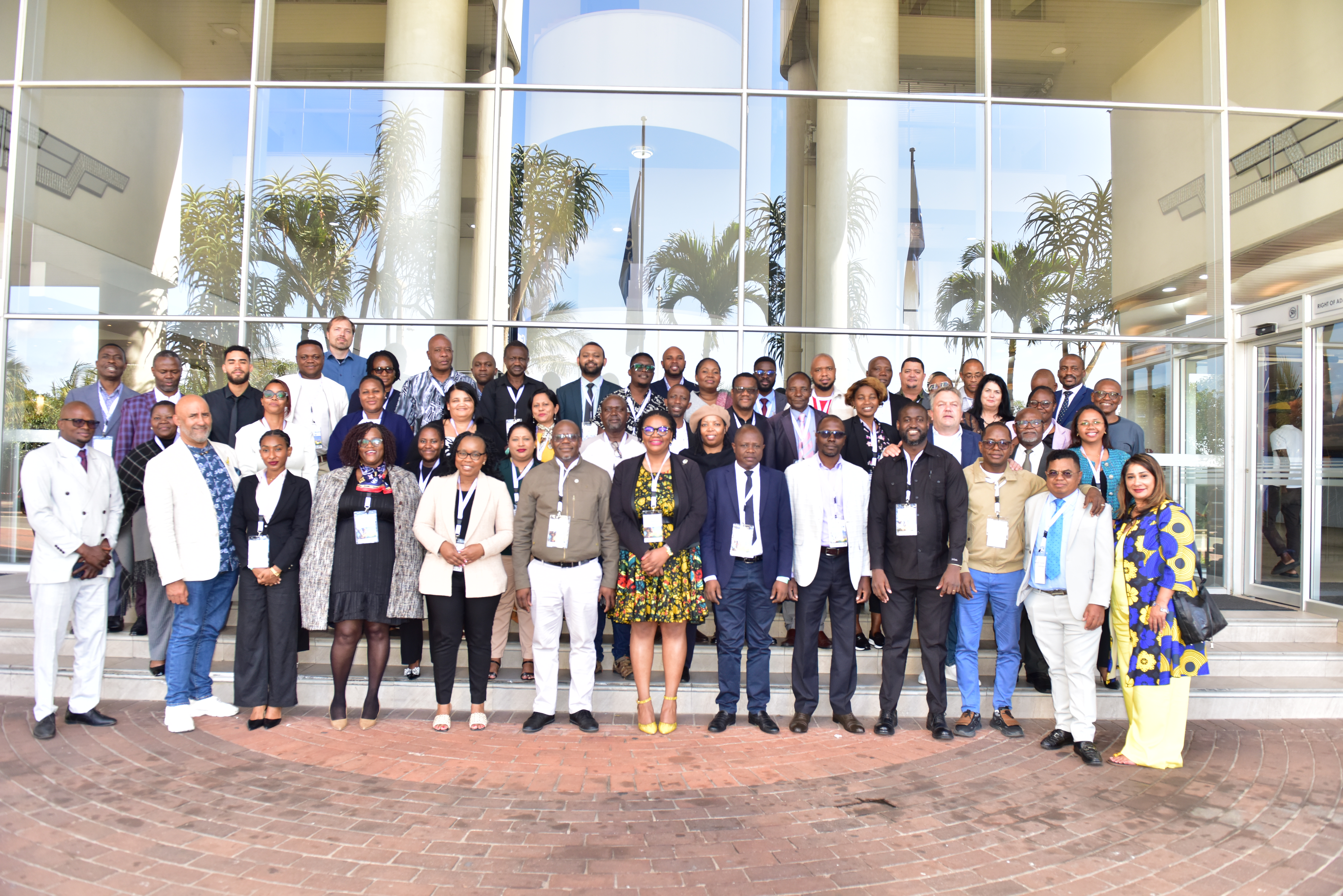
The second Southern African Development Community (SADC) Regional Leather Forum, held in Durban, Republic of South Africa, from 23 to 24 July 2026, with the support of the German Cooperation, served as a platform for SADC Member States, development partners, the private sector and key stakeholders across the leather value chain to advance regional collaboration, promote value addition and strengthen the competitiveness of the SADC leather industry.
Member States emphasised the importance of collective action in developing the regional leather value chain (RLVC). The meeting recognised that transformation of the leather sector requires coordinated national and regional efforts to address shared challenges and maximise opportunities across the value chain. They called for strengthened collaboration, increased exchange of experiences and lessons learned and enhanced regional coordination to build on national capabilities, expertise and comparative advantages.
During the Forum, delegates reaffirmed their commitment to harnessing the potential of the leather sector to enhance regional integration through industrialisation, economic diversification, job creation and inclusive growth for the benefit of the SADC region.
In her opening remarks, the Chairperson of the Forum, Ms. Dimakatso Moji, Director of Footwear and Leather at the Department of Trade, Industry and Competition of the Republic of South Africa, called on SADC Member States to move beyond fragmented national approaches and work towards building an integrated, complementary and competitive regional leather value chain.
Ms. Moji highlighted the significant potential of the leather sector to contribute to regional industrial development and called for the need to translate the SADC Leather Regional Model Policy Framework into practical action through enhanced cross-border collaboration. She also underscored the importance of strategic specialisation based on national strengths, improved utilisation of underused production capacity and the establishment of regional industrial clusters particularly in the leather sector. She noted that these measures would contribute to economic diversification, strengthen SMEs, create wealth and enhance the ability of the SADC leather industry to compete effectively in regional and global markets.
Reflecting on progress since the endorsement of the SADC Leather Regional Model Policy Framework in August 2023 in Luanda, Angola, Ms. Moji described the Framework as a foundation for policy coherence, value addition and enhanced regional cooperation. She welcomed progress made by Member States in domesticating the Framework, noting that Malawi, Namibia, Zambia and Zimbabwe have developed National Strategic Work Plans, while the Democratic Republic of Congo and Mozambique are advancing processes towards finalising their respective plans.
Building on the call for stronger regional coordination and implementation, Mr. Calicious Tutalife, Senior Programme Officer for Value Chains at the SADC Secretariat, emphasised that the Forum represents a significant milestone in translating the Regional Leather Value Chain Model Policy Framework into practical national implementation plans. He highlighted the importance of strengthened regional coordination among Member States, development partners and the private sector to build effective linkages across the value chain, connecting producers, tanneries, manufacturers, SMEs, investors and markets through knowledge-sharing, monitoring mechanisms and targeted interventions.
Mr. Tutalife noted that the Forum provides a platform to address structural challenges affecting the sector, including institutional gaps, fragmented trade regulations and limited compliance with processing standards, while identifying opportunities for cross-border collaboration and regional industrial development. He called on participants to move beyond dialogue and commit to concrete, practical actions that will strengthen the competitiveness, resilience and sustainability of the SADC leather industry. Towards this end, he indicated that the key observations and recommendations from the Forum will be reported to the Ministerial Task Force on Regional Economic Integration (MTF) at their next meeting in 2027.
Dr. Jan-Peter Böttcher, Component Manager for the Cooperation for the Enhancement of SADC Regional Economic Integration (CESARE) Value Chain Development Programme under German Cooperation, from the GIZ Botswana office, reaffirmed continued support towards strengthening the regional leather value chain. Mr. Michael Lawrance, Executive Director of the National Clothing Retail Federation of South Africa, spoke on behalf of the SADC Business Council, and pledged continued support from the private sector in advancing investment opportunities, business linkages and market development within the regional leather industry.
Both partners reaffirmed their commitment to working alongside SADC Member States to translate the SADC Leather Regional Model Policy Framework into practical, commercially viable opportunities that contribute to regional integration, sustainable development and shared prosperity.
The Forum provided an important platform for stakeholders to deliberate on the objectives, priorities and expected outcomes of the regional leather agenda while examining continental and global trends shaping the future of the leather industry. Discussions focused on emerging developments within the leather value chain, regional market dynamics and strategies to accelerate implementation of the SADC Regional Leather Value Chain Model Policy Framework. Member States shared progress updates, experiences and lessons learned, highlighting implementation challenges, emerging opportunities and areas requiring further cooperation.
The Forum concluded with a renewed commitment among SADC Member States, development partners, the private sector and stakeholders across the leather ecosystem to accelerate implementation of the regional leather agenda. Through strengthened partnerships, policy alignment, investment promotion and value addition, the Forum reaffirmed the role of the leather industry as a catalyst for inclusive industrialisation, sustainable economic development and regional integration. The Forum further acknowledged the invaluable support of the German Cooperation through the CESARE Programme in supporting the regional leather industry as a testimony to good partnership.


